
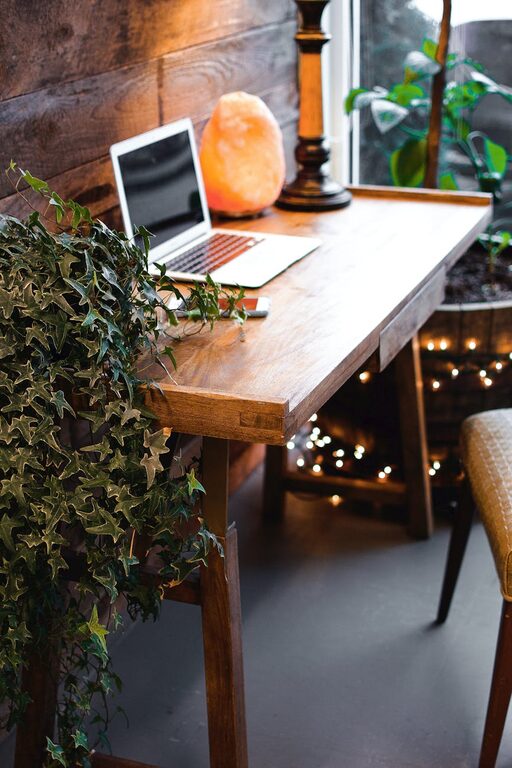
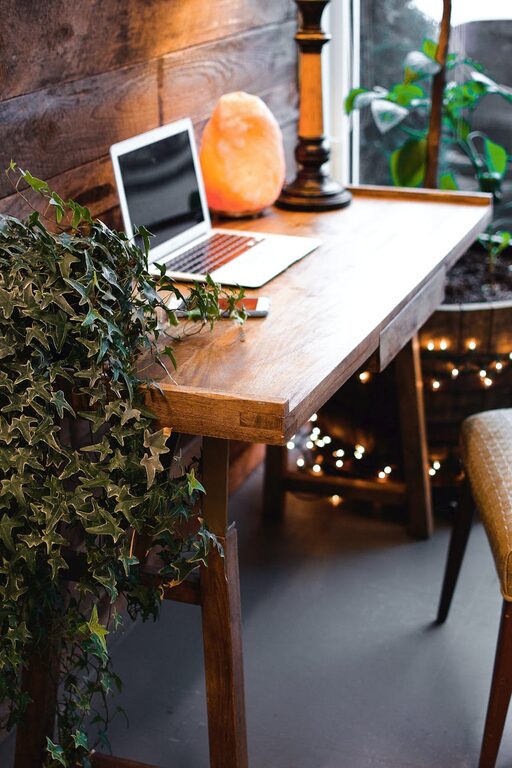

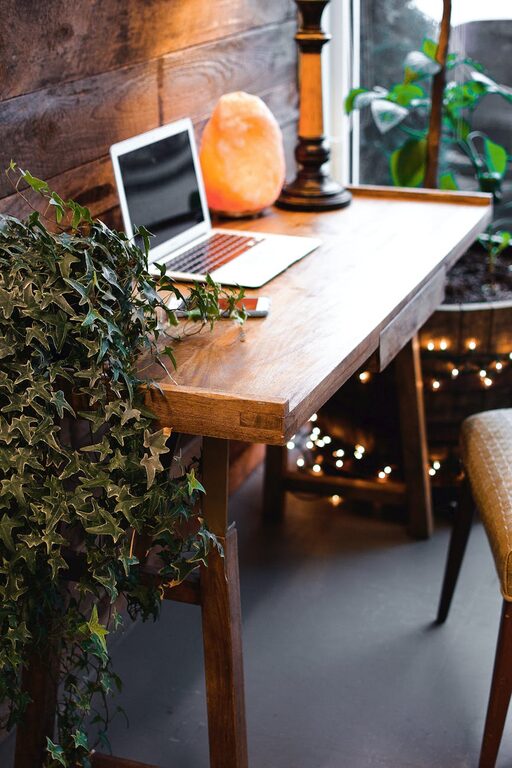
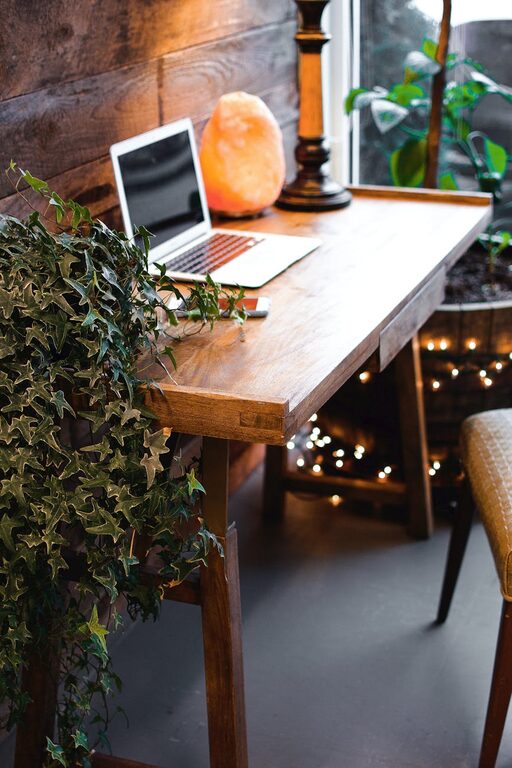
Creating a cozy and functional home workspace is essential for anyone working remotely or spending considerable time at home on projects. A well-designed space not only boosts productivity but also promotes comfort and well-being. In this post, we’ll explore practical tips to help you craft a home workspace that feels inviting and works efficiently.
Why a Cozy and Functional Workspace Matters
Working from home comes with its own set of challenges, including distractions, discomfort, and sometimes a lack of motivation. A workspace that balances coziness with good functionality can improve your focus, reduce stress, and make your workday more enjoyable.
Choose the Right Location
Your workspace location sets the tone for your productivity. Consider these points:
– Natural light: Select a spot with plenty of natural light if possible. It improves mood and reduces eye strain.
– Quiet area: Pick a space away from high-traffic or noisy zones at home to minimize interruptions.
– Enough space: Your workspace should comfortably fit your desk, chair, and work essentials without feeling cramped.
Invest in Comfortable and Ergonomic Furniture
Comfort is key to staying productive. Here’s what to keep in mind:
– Ergonomic chair: Choose a chair that supports your back and promotes good posture.
– Adjustable desk: If possible, use a desk with adjustable height or a standing desk to change positions throughout the day.
– Desk size: Ensure your desk has enough surface area to hold your monitor, keyboard, documents, and other items.
Organize With Purpose
Clutter can quickly kill creativity and focus. Creating an organized workspace helps you find things easily and keep your mind clear.
– Storage solutions: Use shelves, drawers, or filing cabinets to store papers and supplies.
– Desk organizers: Small trays or holders can keep pens, notepads, and tools neat.
– Cable management: Use clips or boxes to keep cords tidy and prevent tangling.
Personalize Your Space
Adding personal touches makes your workspace feel inviting and motivating.
– Plants: Small indoor plants bring life and fresh air to your desk.
– Decor: Use artwork, inspirational quotes, or photos that make you happy.
– Color: Consider soft or neutral tones that promote calmness, or brighter accents for energy.
Optimize Lighting
Lighting impacts both comfort and efficiency.
– Task lighting: Use a good desk lamp to reduce eye strain during detailed work.
– Avoid glare: Position your screen and lights to avoid reflections and glare.
– Ambient lighting: Soft background light reduces contrast and helps reduce fatigue.
Minimize Distractions
A focused environment helps you work better.
– Noise control: Use noise-cancelling headphones or soft background music if helpful.
– Limit clutter: Keep only essentials on your desk to avoid visual distractions.
– Separate zones: If space allows, separate work from relaxation areas to help your brain switch modes.
Incorporate Technology Wisely
Technology can streamline your work but also create clutter if unmanaged.
– Wireless devices: Use wireless keyboards, mice, and chargers to reduce cable mess.
– Multiple monitors: Consider dual screens if your work benefits from multitasking.
– Regular updates: Keep software and devices updated for best performance.
Maintain a Routine and Cleanliness
Keeping your workspace clean and developing habits around it supports long-term productivity.
– Daily tidy-up: Spend a few minutes at the end of each day organizing your desk.
– Regular deep cleaning: Dust and vacuum your workspace regularly.
– Routines: Establish start and end times to work to create boundaries.
Final Thoughts
Designing a cozy and functional home workspace doesn’t happen overnight, but by beginning with these practical tips, you can create an environment that supports your work and wellbeing. Remember to personalize your space to fit your unique needs and preferences, and adjust your setup as your work habits evolve. With the right space, working from home can become comfortable, enjoyable, and highly productive.