
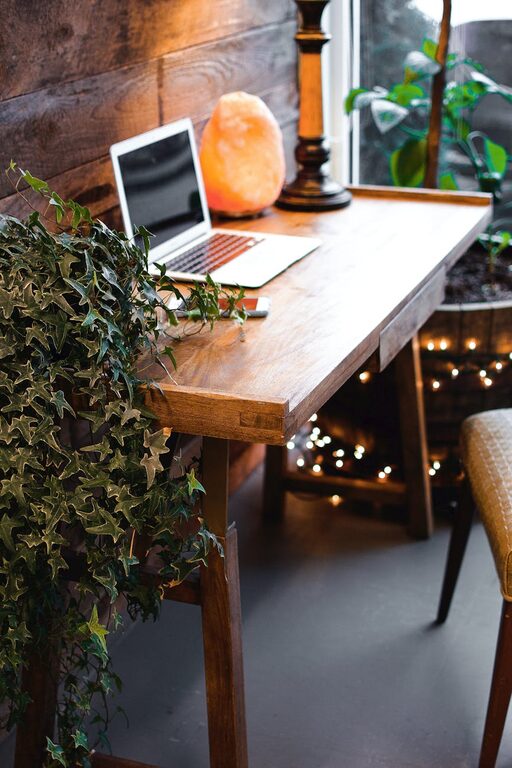
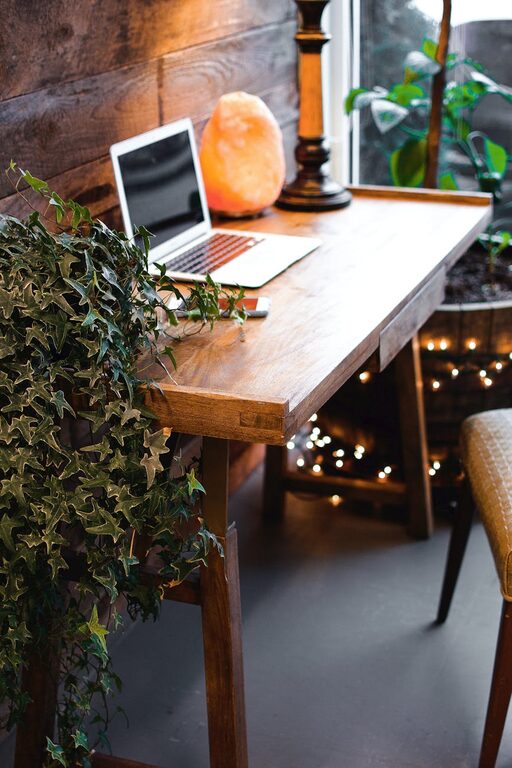
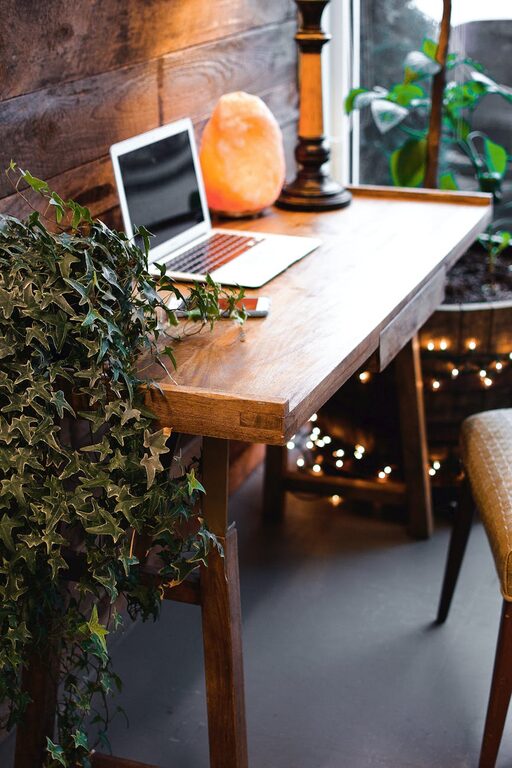
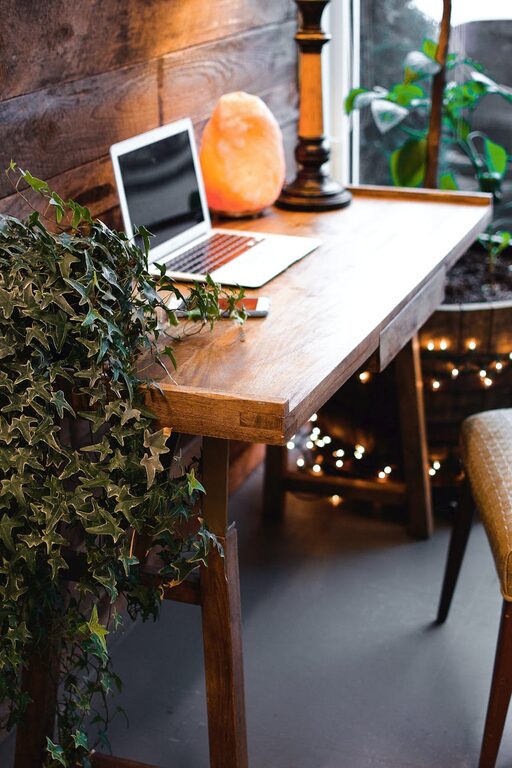

Creating a relaxing home workspace is essential for staying focused and productive, especially when working remotely or managing projects at home. A well-designed workspace can reduce stress, encourage creativity, and improve overall work quality. Here are practical tips to help you build a calm and efficient environment right in your own home.
Choose the Right Location
Find a Quiet Spot
Select a space in your home that is quiet and free from distractions. Ideally, this should be away from busy household areas like the kitchen or living room. A nook, spare room, or a corner with natural light can be perfect.
Maximize Natural Light
Natural light boosts mood and alertness. Position your desk near a window if possible. If natural light is limited, use full-spectrum bulbs that mimic daylight to keep your workspace bright and inviting.
Invest in Comfortable Furniture
Ergonomic Chair and Desk
Comfort is key to maintaining focus and avoiding fatigue. Choose a chair with good lumbar support and a desk that fits your height to promote healthy posture.
Adjustable Setup
Consider furniture that can be adjusted for sitting or standing positions. This flexibility can help reduce body stiffness and keep energy levels up throughout the day.
Keep the Space Organized
Declutter Regularly
A clutter-free desk helps clear your mind. Keep only the essentials on your work surface and store everything else out of sight.
Use Storage Solutions
Drawer organizers, shelves, and filing cabinets can help you stay organized. Label boxes or folders for easy access to important documents and supplies.
Personalize Your Workspace
Add Calming Elements
Incorporate items that relax you, such as plants, soft lighting, or artwork. Greenery is especially beneficial as it can improve air quality and add a touch of nature to your workspace.
Use Soothing Colors
Choose colors like soft blues, greens, or neutrals that promote calmness and concentration. Avoid overly bright or distracting shades on your walls or decor.
Minimize Distractions
Manage Noise Levels
If background noise is unavoidable, use noise-canceling headphones or play soft instrumental music to mask disturbances.
Limit Digital Interruptions
Turn off non-essential notifications on your devices during work hours. Consider apps that block distracting websites to help maintain focus.
Create a Routine and Break Area
Set Work Hours
Establish clear start and finish times to separate work life from personal life. This routine helps your brain switch into “work mode” and unwind afterward.
Designate a Relaxation Spot
If space allows, create a small corner with a comfortable chair or cushion where you can take short breaks. Stepping away from your desk refreshes your mind and body.
Maintain Good Air Quality and Temperature
Proper Ventilation
Ensure your workspace has good airflow by opening windows regularly or using fans.
Comfortable Temperature
Keep the room temperature comfortable, neither too hot nor too cold, to avoid distractions caused by discomfort.
Incorporate Technology Wisely
Use Quality Equipment
Invest in reliable technology like a fast internet connection, a good-quality headset, and a large monitor if needed. Efficient tools reduce frustration and improve workflow.
Cable Management
Keep cords and cables organized to maintain a tidy look and prevent accidents.
Final Thoughts
Creating a relaxing home workspace takes some planning but pays off with increased productivity and well-being. By choosing the right location, personalizing your space, minimizing distractions, and maintaining comfort, you can build a work environment that supports both focus and calmness. Remember, small changes can make a big difference in how you experience your workday.